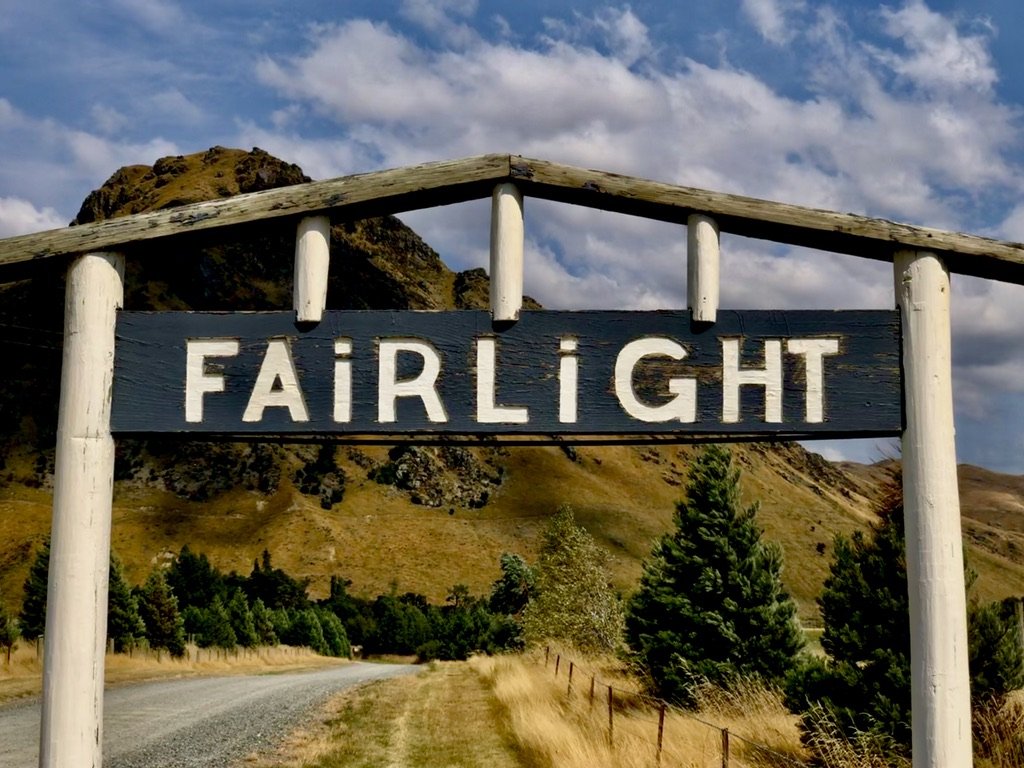
Image by Mari Hill Harpur Photography
Fairlight Station
In 2002, this legacy property was purchased, by Kiwi and Canadian owners Doug and Mari Harpur who are established farmers and foresters in North America. In 2016, The Kiwi station managers, Simon and Lou Wright became shareholders. Together these owners help manage 8100 hectares (ha) consisting of four properties.
The vision for Fairlight is to have a sustainable farming operation, which successfully integrates sheep, cattle and deer that will eventually help to balance the farm’s profitability with its long term objectives.
Fairlight Station is a 3,800ha property located in Northern Southland, consisting of 500ha of arable land, 2000ha of hill country and a significant Douglas Fir Forest. Typically Fairlight experiences hot dry summers and cold challenging winters. The station has extensive and rugged high country with the Mataura and Roberts Rivers bisecting the farm’s flats from the hill country. Current livestock include 2300 red deer hinds, 120 stags and 2000 weaners, 600 beef cow herd, and 3600 cross-bred ewes and 1000 lambing hoggets. The property faces north and is exposed to the prevailing nor’ west wind, the scourge of the South Island.
Fairlight Station Ltd also owns 4,300ha at Forest Creek Station and the adjacent Tui Station in the upper Rangitata River basin in Peel Forest, Canterbury. The stock on these stations include 7500 ewes, 2000 lambing hoggets, 600 fattening cattle and 200 velvet-genetic hinds and 520 velveting stags. Additionally, the company has partnership interests in Tararua, a sheep/beef/ goat farm in the Hakataramea Valley in southern Canterbury. Fairlight, Forest Creek, Tui and Tararua are fully integrated for management purposes. The farming operation trades as Fairlight Station LLC.
-
Our goal is to be a diversified, sustainable and profitable farming business that embraces technology and strives for excellence.
-
Fairlight Station LLC’s undertaking is to enhance the biodiversity and aesthetic value of the land we farm.
Our objective is to expand Fairlight’s business involvement and continue to support a diverse income stream.
We strive to create a friendly and rewarding environment for employees so they can continue to grow and develop their farming skills.
Ultimately we strive to establish a wider impact on aspiring young farmers through The Fairlight Foundation internship.
-
Included in our values, we intend to create a safe environment where people and livestock thrive.
We encourage efficiency and strive for proficiency.
We do this by showing respect and appreciation for all, especially for the Fairlight team.
We want to be resourceful, and teach the need to find a way through diverse situations.
We enjoy including the community and, encourage our employees to get involved within our neighborhood.


Images by Mari Hill Harpur Photography
History
Captain John Howell (1808-1874) from Fairlight, Sussex County, England purchased the original 12,000 ha property near Garston, in Northern Southland from his son-in-law, William Cameron in 1862. He named it Fairlight Station. Subsequently, the Howell family developed the property into one of the earliest sheep and beef stations in New Zealand. Initially Captain Howell sold produce to gold miners in the Queenstown area as well as his neighbours in the Murihiku/Southland region. After the captain’s death, the property was subdivided, with the present station retaining its original name.
The hub of Fairlight Station is the homestead, initially built by the captain. The building is registered with the Historic Places Trust and is one of the oldest homes in Southland. It is currently occupied by station managers Simon and Lou Wright.

Image by Mari Hill Harpur Photography
Our Shareholders
Doug and Mari Harpur
Doug and Mari Harpur are majority shareholders of Fairlight Station Ltd and LLC. Doug is chairman of North Oaks Investments LLC, a private personal holding company owned by members of the Harpur family. Their company manages a group of approximately 50 companies including forestry, farming, land development and associated industries, with operations in Alberta and Quebec, Canada, and Oregon and Minnesota, USA. While based in the Northern Hemisphere, Doug has NZ parentage and a NZ citizenship. He and his wife visit New Zealand on a regular basis.
They purchased Fairlight Station in 2002. Doug has a passion for achieving top performance in his farming and forestry enterprises, and has invested in Fairlight Station Ltd, and LLC to create a high performing mixed sheep/cattle/deer farming operations in NZ. This acquisition signalled a significant diversification from their northern hemisphere operations. The Harpurs continue to support their interests in Douglas Fir forestry and livestock farming in New Zealand. Doug places high value on knowledge and evidence based farming and forestry. Establishing The Fairlight Foundation complements similar ventures in which they participate in Canada and the USA. These enterprises are aimed at fostering opportunities for young, often professional people, in a range of largely ecological contexts.
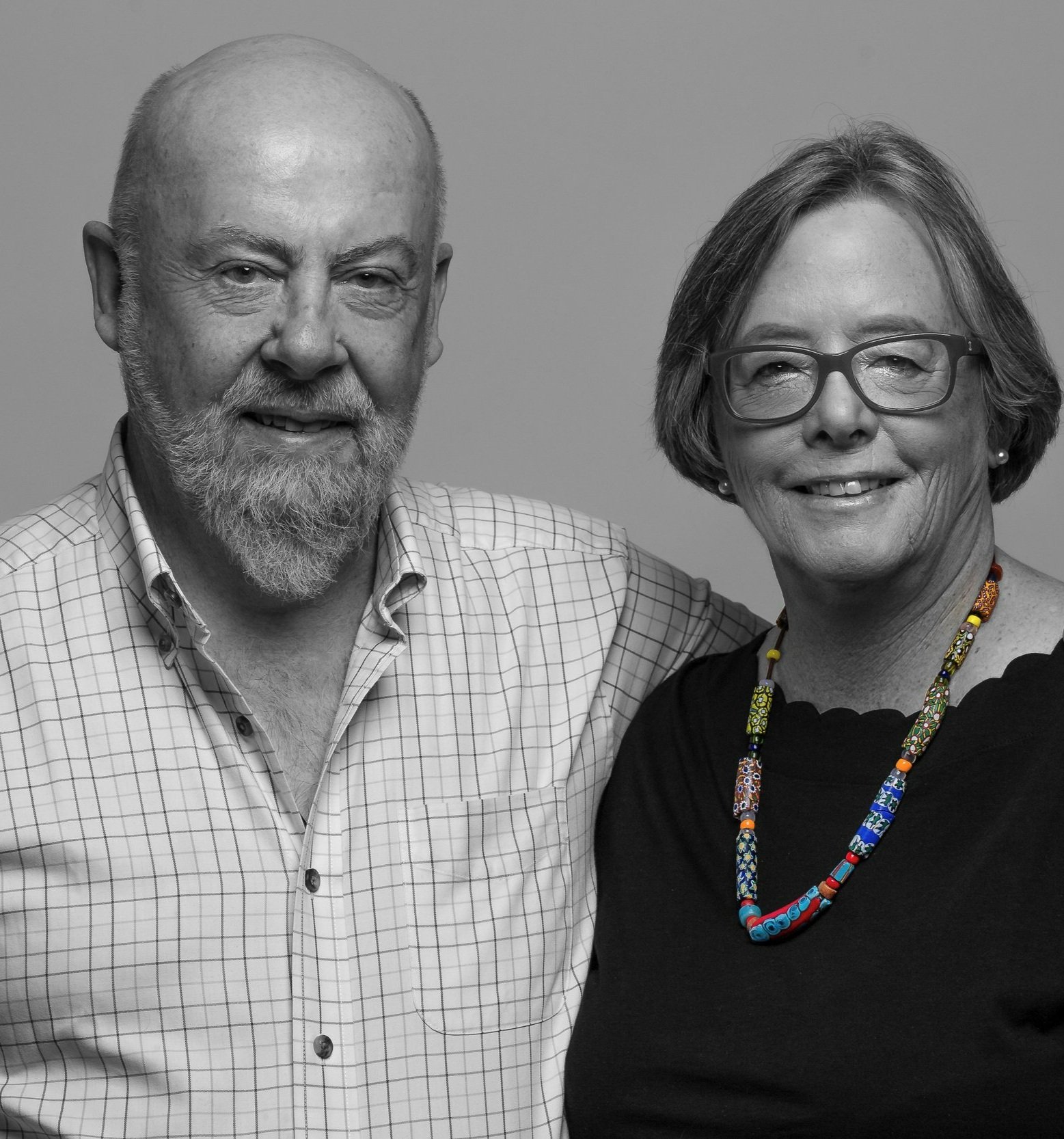
Simon and Lou Wright
Born and bred into farming, Simon grew up on his parent’s farm which was a government ballot farm in the Te Anau Basin. Simon was educated at Waitaki Boys High and then attended Flock House, a farm training facility in the Rangitikei District. Shepherding jobs followed, working on Stations in Marlborough and the Upper Clutha before he returned to Te Anau to go share farming with his parents. Before long, he and his brother entered into a successful farming partnership near Manapouri.
In 1997, Simon and his wife Lou took up a Farm Managers position on a merino property at Tarras. In 2003 Simon, Lou and their 3 children moved to Fairlight Station where Simon took on the position of General Manager for the farming businesses at that location. They are now shareholders of Fairlight Station and Simon is the Managing Director.

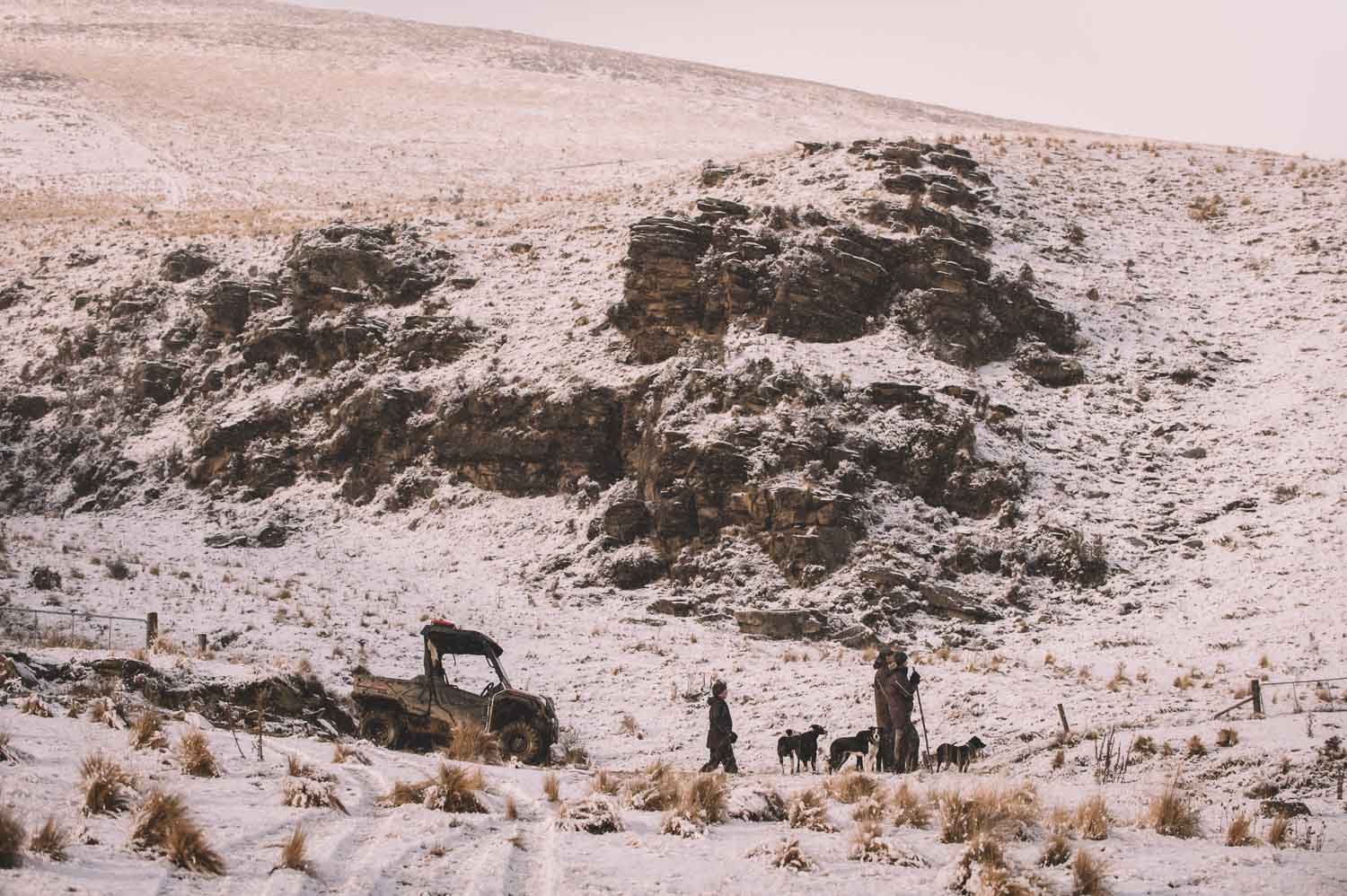
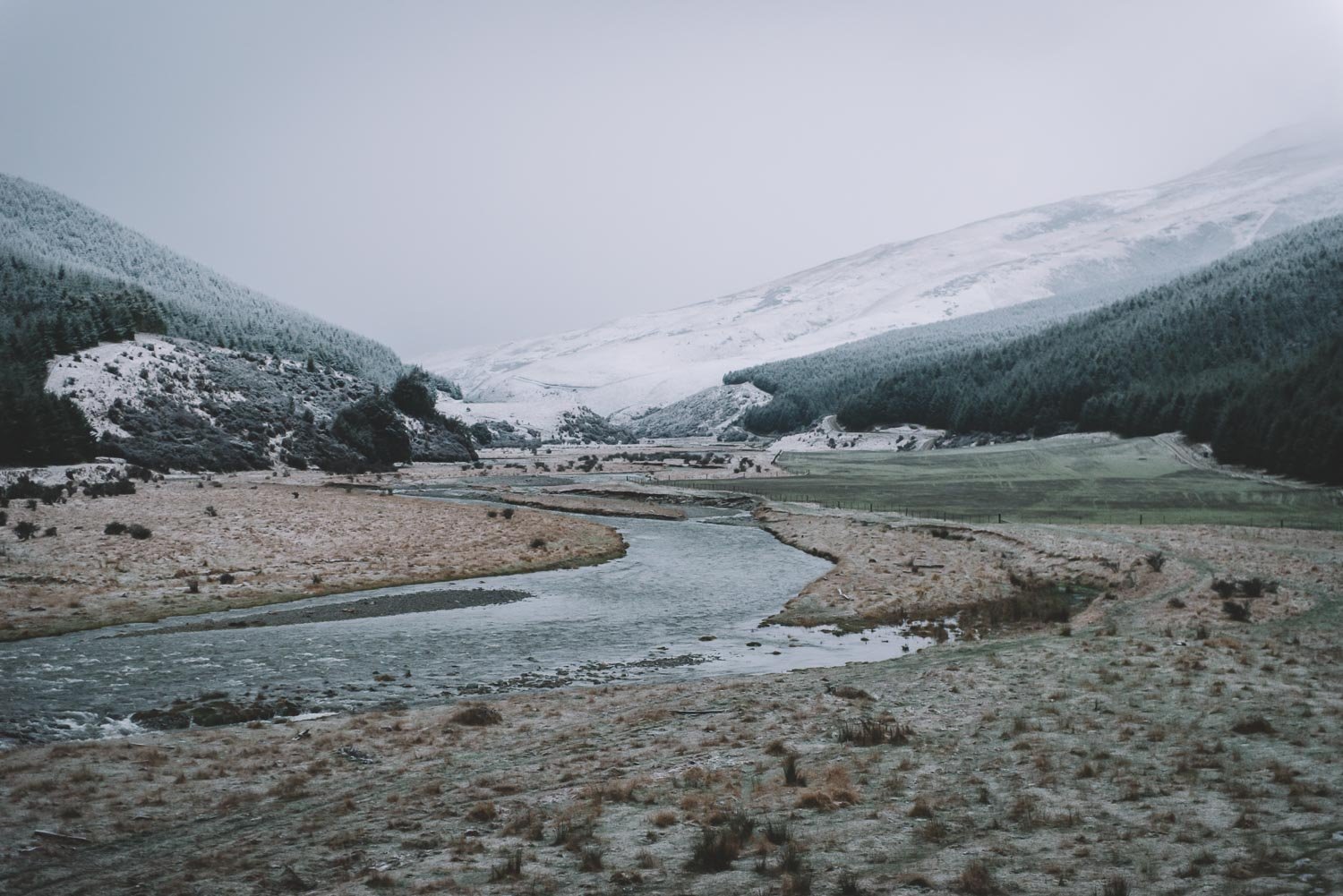
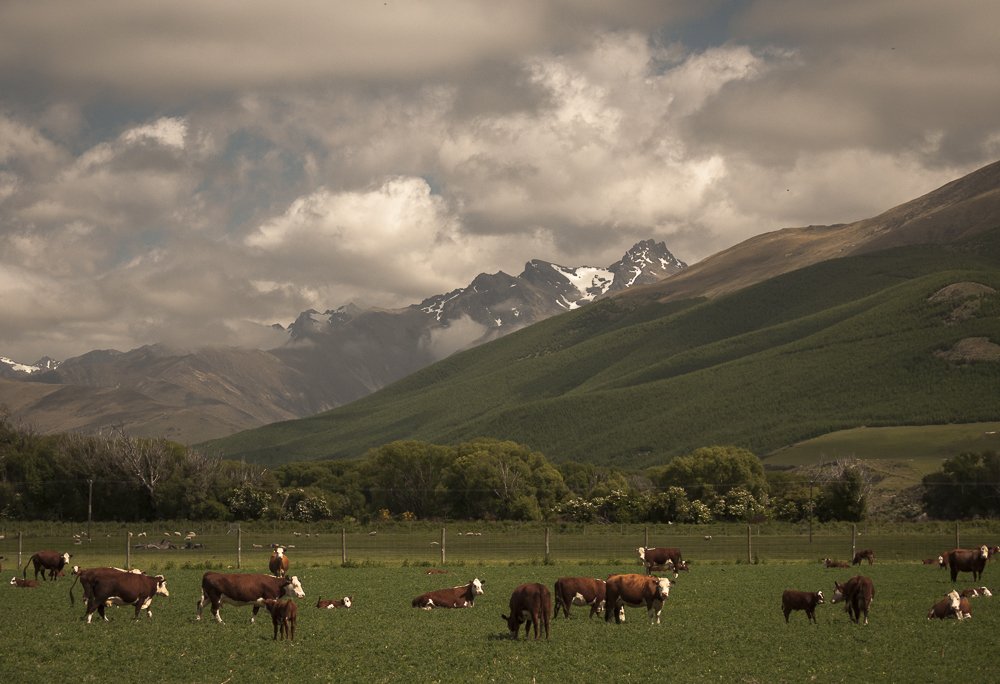

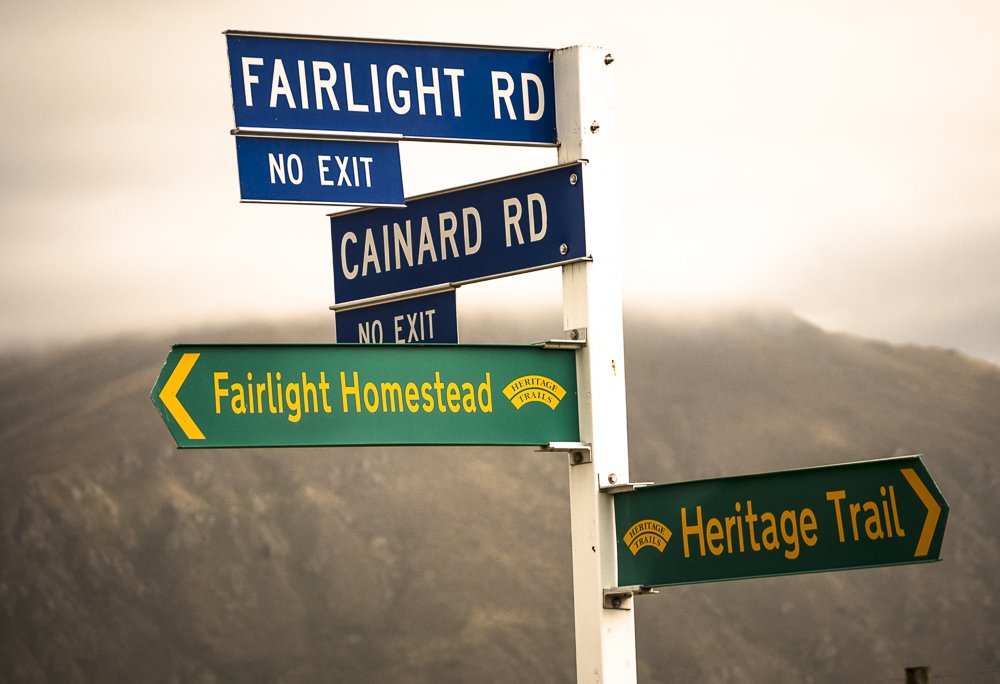
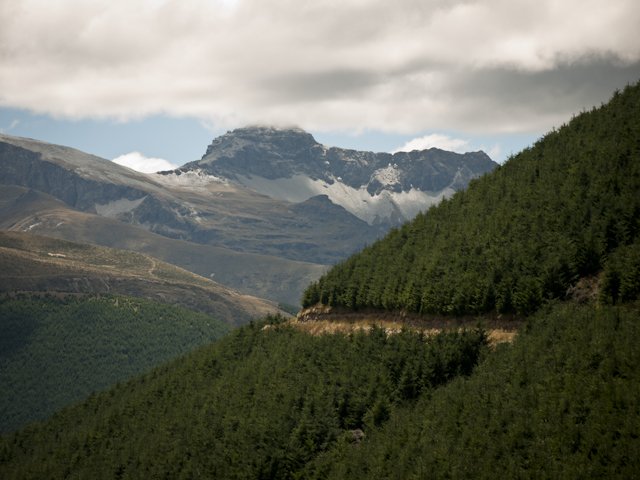
Fairlight Station summer images by Mari Hill Harpur Photography